Extra virgin olive oil, beyond salads
Five everyday ways to use a good first cold-press olive oil — for cooking, finishing and daily use — and how to store it so it stays fresh.
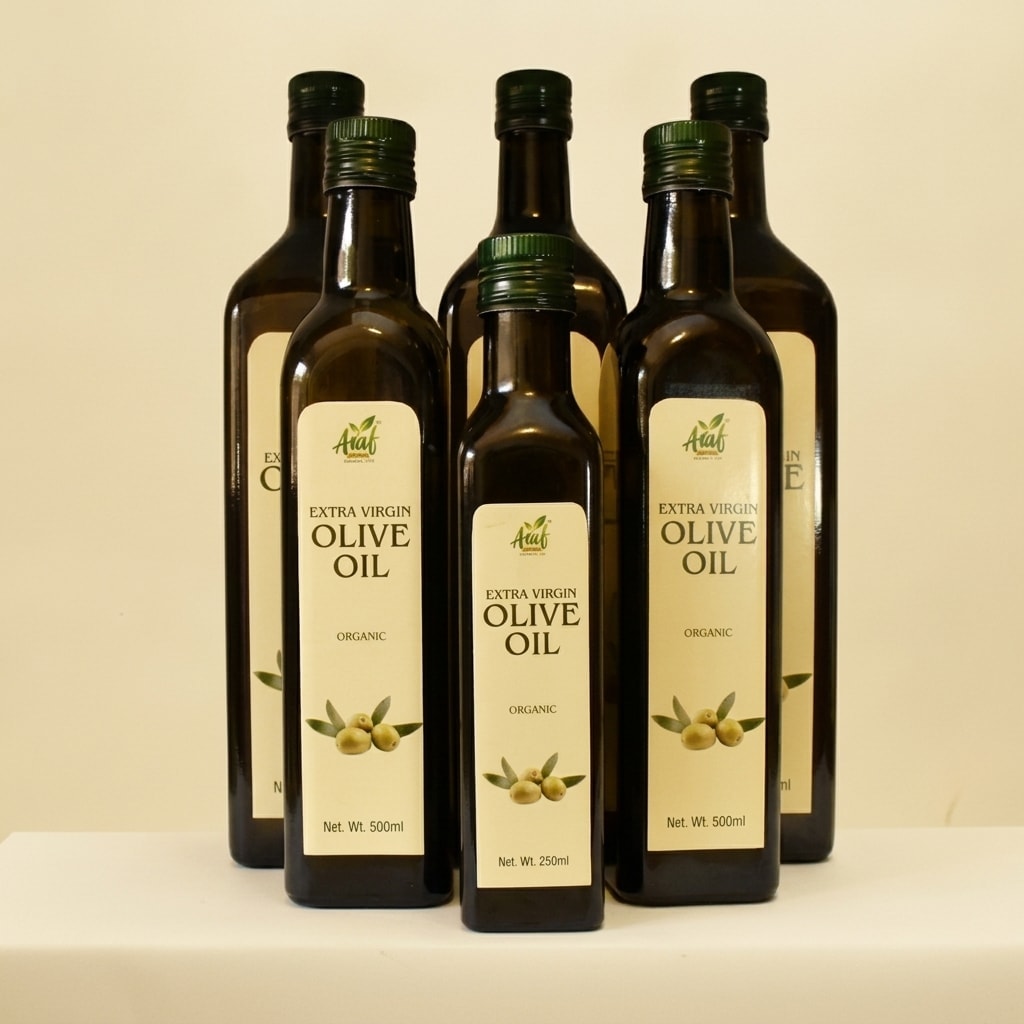
Extra-virgin olive oil often gets saved “for salads” and left to age in a cupboard. That's a waste of a fresh, tasty ingredient.
What “extra virgin, first cold press” means
Extra virgin is the top grade: oil from the first pressing of the olives, with no heat or chemicals and a low acidity. That's why it keeps a green, peppery, slightly bitter taste — those are the flavour compounds, and a light catch at the back of the throat is a sign of a fresh, good oil, not a fault. To read the label properly, see how to choose extra virgin olive oil.
Five ways to actually use it
- Finishing: a drizzle over soup, hummus, grilled vegetables or dal just before serving.
- Gentle cooking: sautéing and roasting are fine; very high, smoking heat wastes the flavour you paid for.
- Dressings and marinades: whisk with lemon, salt and garlic for an instant dressing.
- Bread: good oil with a little salt beats butter for dipping.
- An everyday spoonful: many people simply take a spoon of good olive oil each day.
Storing it right
Olive oil's enemies are light, heat and air. Keep it in a dark bottle away from the stove, close the cap, and use it within a few months of opening. Buy a size you'll finish while it's fresh, rather than a big tin that turns stale.
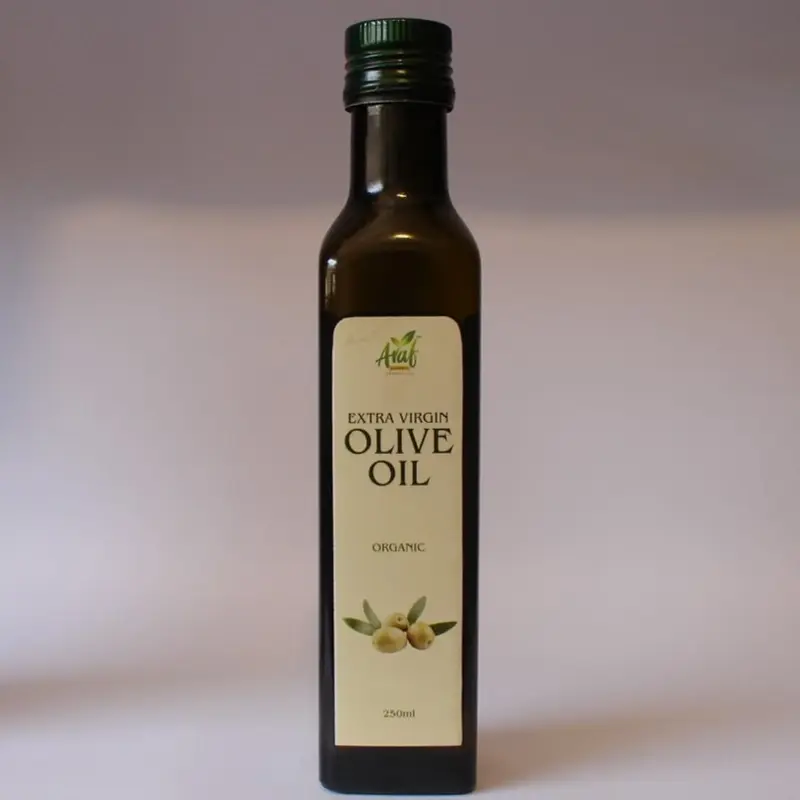
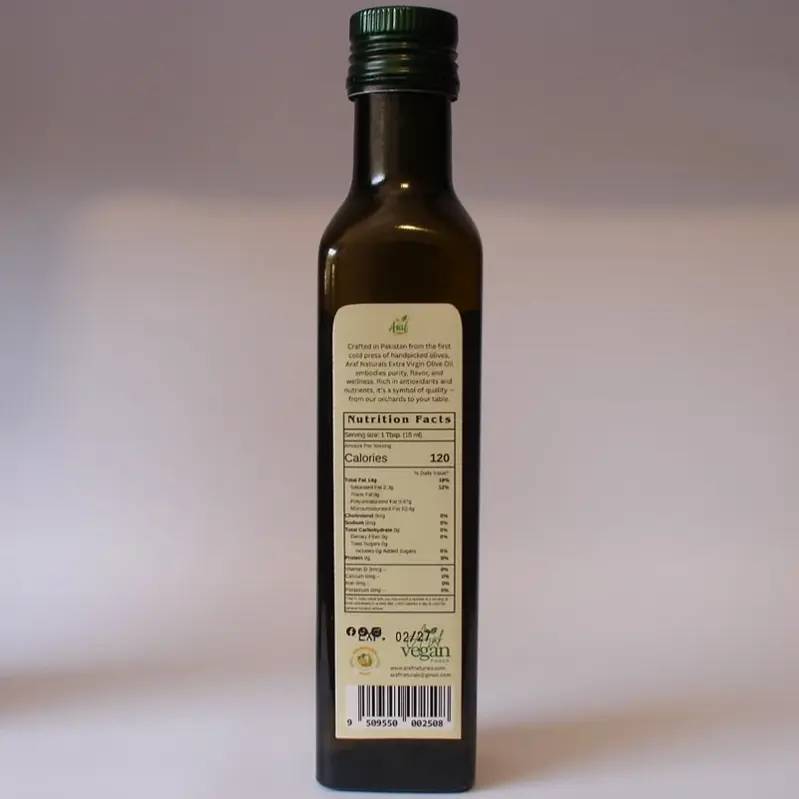
Ready to cook with a proper one? Our extra virgin olive oil is a first cold press.
Frequently asked questions
Can you cook with extra virgin olive oil, or only use it raw?
You can cook with it. Sautéing and roasting are fine; extra virgin olive oil is more heat-stable than its reputation suggests. What wastes it is very high, smoking heat, which burns off the flavour and aroma you paid for.
How long does olive oil last once opened?
Use it within a few months of opening. Olive oil is a fresh juice, not a preserve — light, heat and air slowly turn it stale, so buy a size you'll finish while it's fresh.