Cold-pressed vs refined: the oil difference
“Cold-pressed” and “wood-pressed” are not marketing fluff — the extraction method decides how much flavour and nutrition survives. Here's how the two really differ.
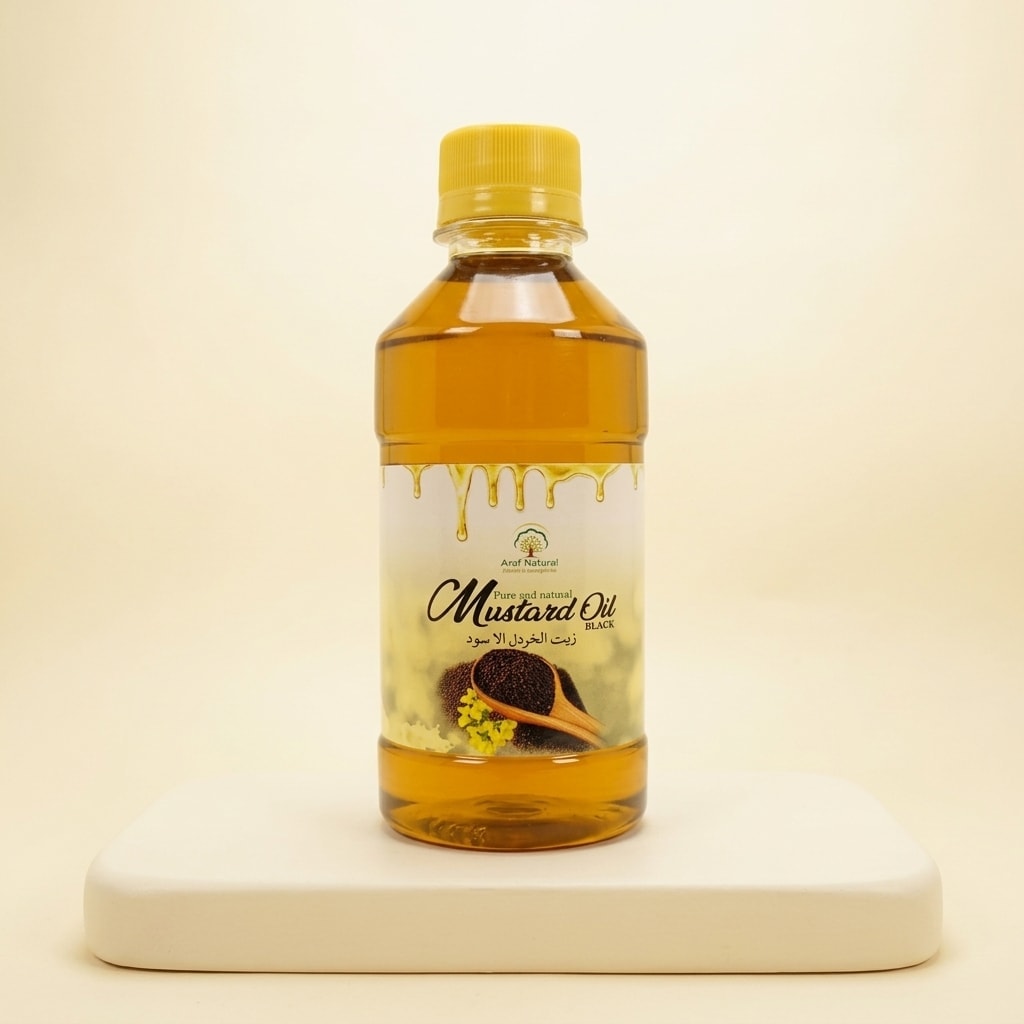
Two bottles of mustard oil can start from the same seed and end up completely different. What changes is how the oil is pressed out.
How refined oil is made
Most supermarket cooking oil is made at scale using heat, and often a chemical solvent, to pull as much oil as possible from the seed. The raw oil is then bleached and deodorised. The result is cheap, long-lasting and almost flavourless — fine for industrial use, but it loses the aroma and much of the character of the original seed.
What “cold-pressed” and “wood-pressed” mean
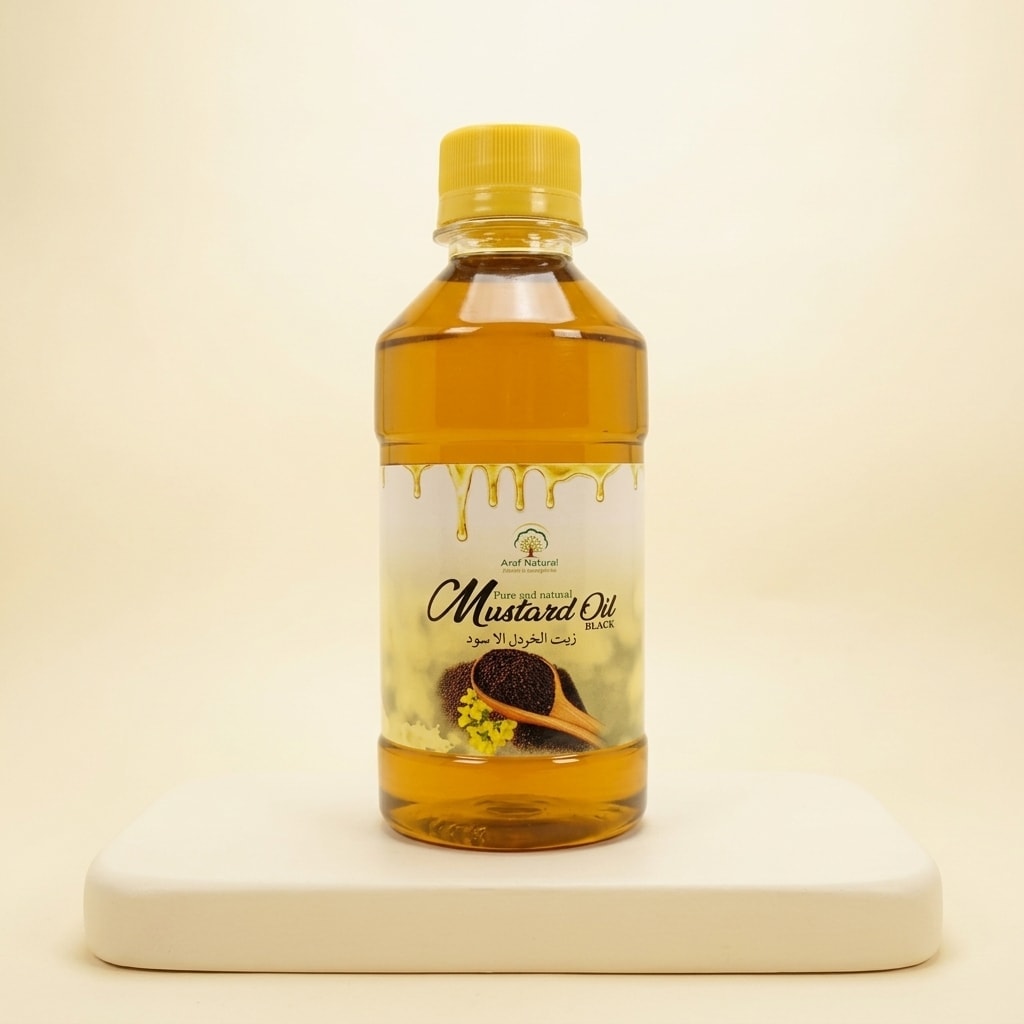
Cold-pressing squeezes the oil out mechanically without adding heat, so temperatures stay low. “Wood-pressed” (or kachi ghani) is the traditional slow wooden press, which turns gently enough to avoid heating the oil. Because nothing is bleached or deodorised, the oil keeps its natural colour, smell and taste — a good mustard oil should smell sharp, and a good olive oil should taste faintly of olives and pepper.
The trade-offs are honest ones. Cold-pressed oils give less oil per seed, so they cost more, and they don't last as long. Keep them away from light and heat, and use them within a few months.
Using them well
- Mustard oil: great for high-heat desi cooking, tempering and pickles; its sharpness mellows as it heats.
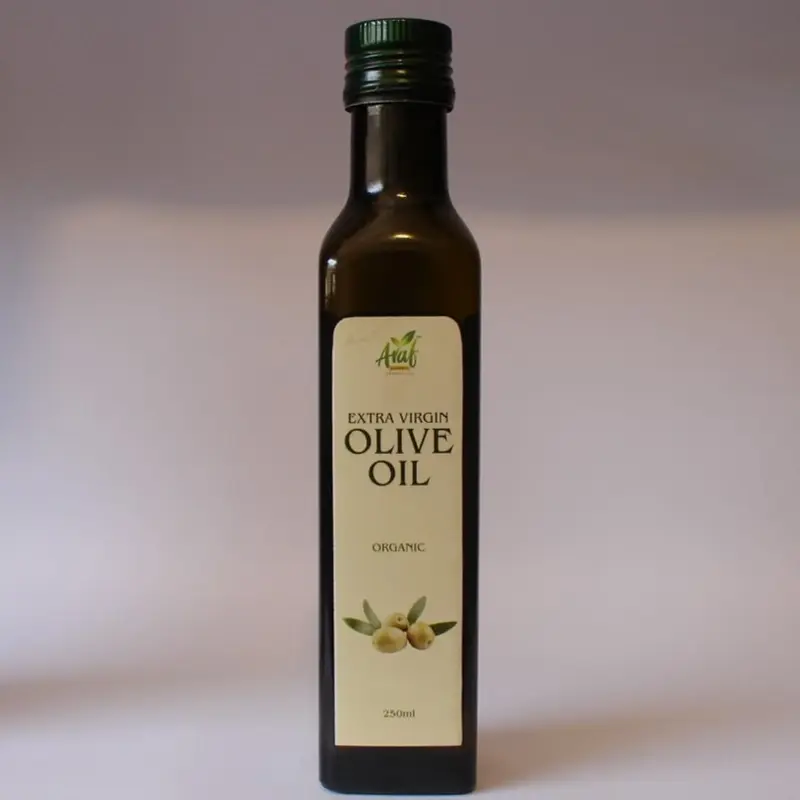
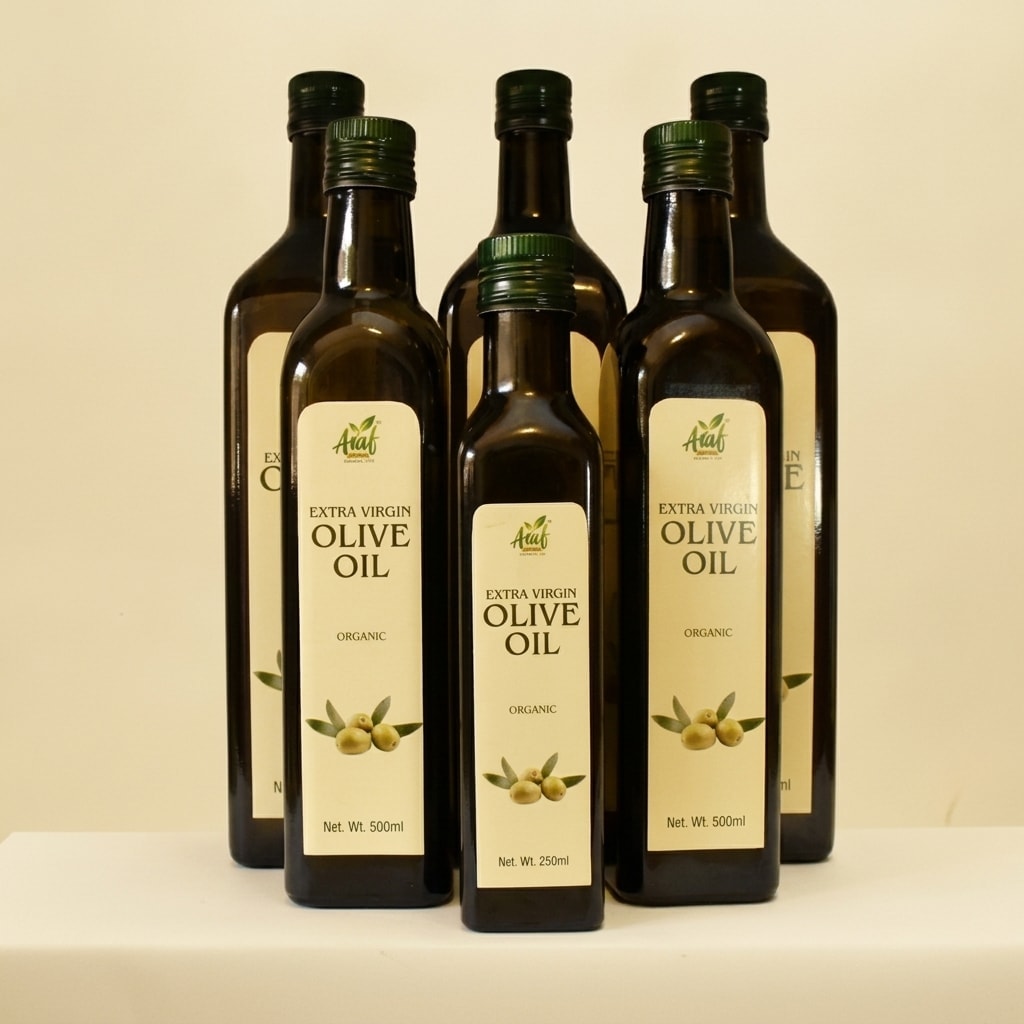
- Extra-virgin olive oil: best for finishing, dressings and gentle cooking — very high heat wastes the flavour you paid for. More on that in olive oil beyond salads.
- Buy small, use fresh: cold-pressed oil is a fresh product, not something that sits in the cupboard for years.
If you change only one thing, make it the oil you cook with every day — it touches almost every meal. When you shop, our guide to choosing extra virgin olive oil shows what to look for.
Frequently asked questions
Is cold-pressed oil healthier than refined oil?
Cold-pressing avoids the heat, bleaching and deodorising of refining, so the oil keeps more of its natural aroma, colour and some heat-sensitive compounds. It's best described as less processed and more flavourful, rather than a cure for anything.
Why does cold-pressed oil cost more and last less?
Pressing without heat gives less oil per seed, so it costs more, and because nothing is stripped out for shelf life, it stays fresh for months rather than years. Buy smaller amounts and use them while fresh.