How to choose extra virgin olive oil
“Extra virgin”, “pure”, “light”, “first cold press” — olive oil labels are full of terms that mean very different things. Here's how to read them and pick a genuinely good bottle.
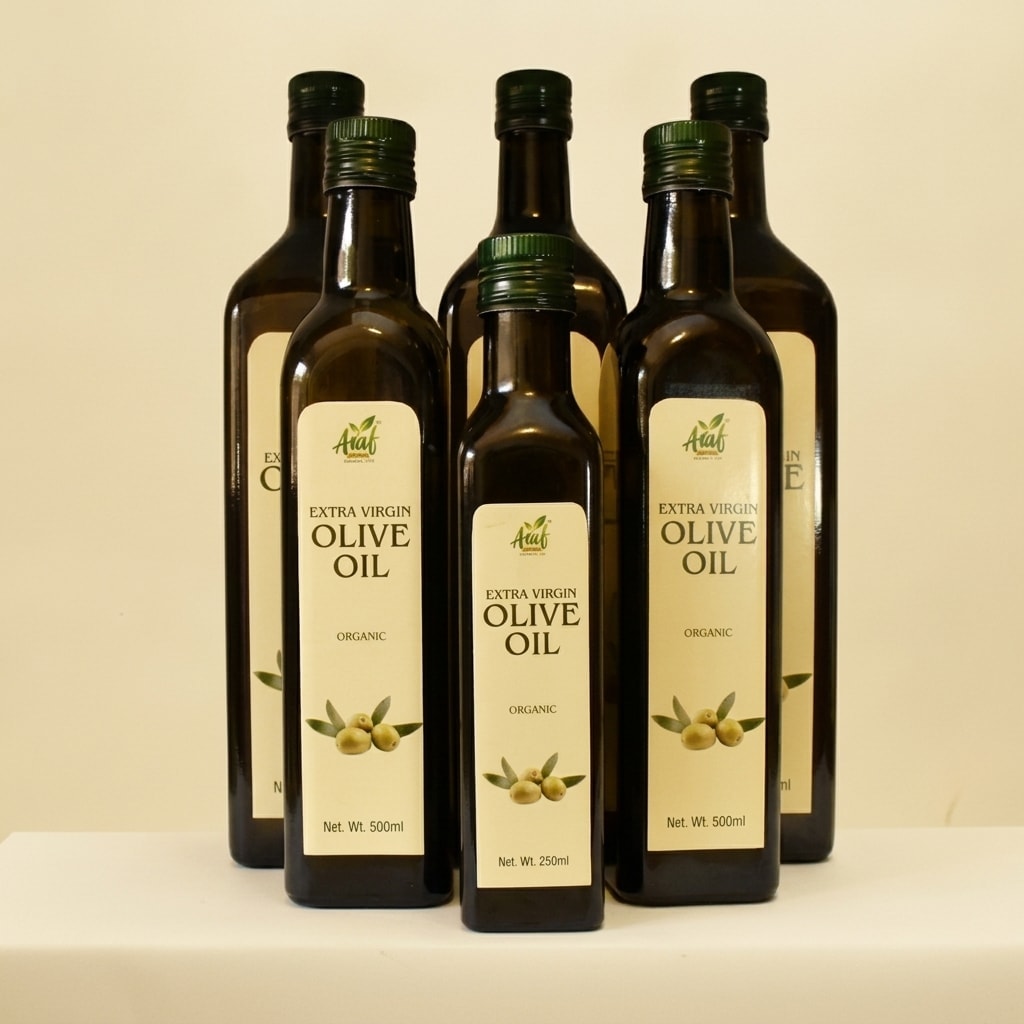
Olive oil is one of the most confusing shelves in the shop. Similar-looking bottles carry very different words — extra virgin, pure, light, first cold press — and those words really do change what's inside. Here's how to cut through it.
Start with the grade
The grade is the most useful word on the label.
- Extra virgin is the top grade: oil from the first pressing of the olives, with no heat or chemicals and a low acidity. This is the one with real flavour and character.
- “Pure” or “light” olive oil is usually refined oil — stripped of flavour and colour — sometimes with a little extra virgin blended back in. It's cheaper and blander. “Light” means light in flavour, not calories.
For everyday eating, extra virgin is what you want. Our cold-pressed vs refined guide explains why that processing difference matters so much.
Look for “first cold press”
“First cold press” means the oil came from the first pressing, done without added heat. Heat raises the yield but lowers the quality, so a cold press is a good sign. Paired with “extra virgin”, it's the combination worth paying for.
Use your senses
A fresh extra virgin should smell and taste alive — grassy or green, with a gentle bitterness and a peppery tickle at the back of the throat. That pepperiness is a good thing, not a flaw. What you don't want is a flat, greasy or musty oil, which usually means it's old or over-refined.
Check freshness and packaging
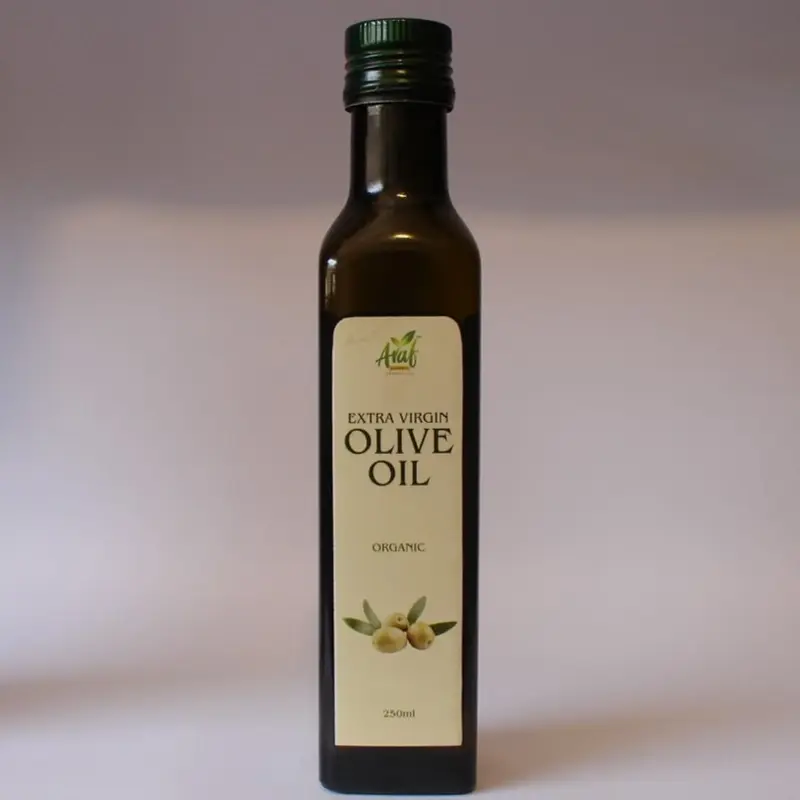
- A dark bottle or tin: light spoils olive oil, so darker packaging protects it better than clear glass.
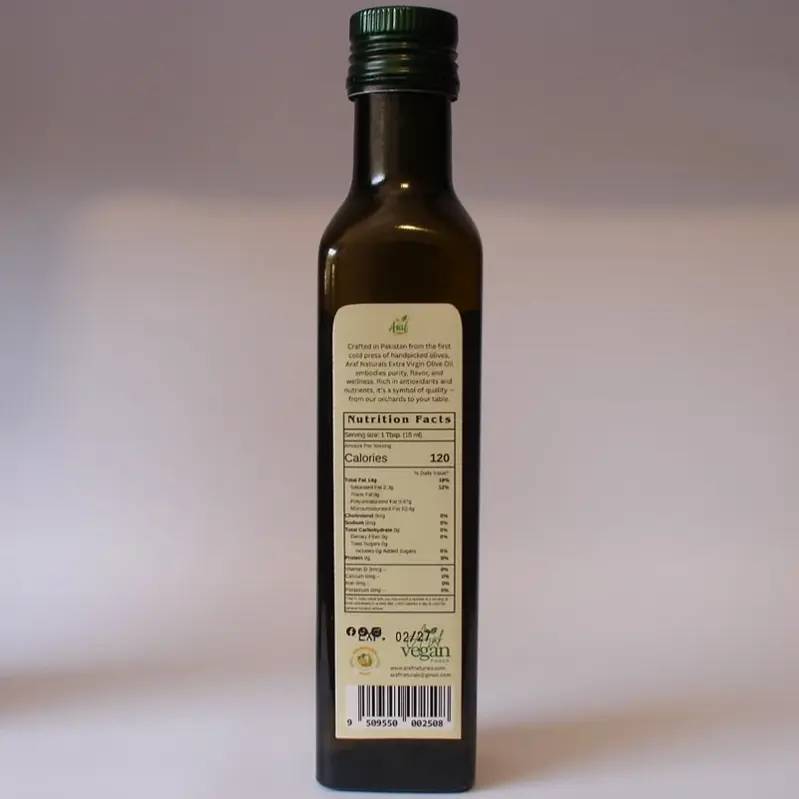
- A date on the bottle: olive oil is a fresh juice — the more recent, the better.
- A size you'll finish: buy what you'll use within a few months of opening, not a giant tin that goes stale.
Ignore colour as a quality test
It's a common myth that greener or darker oil is better. Colour depends on the olives and how ripe they were, not the quality — professional tasters even use coloured glasses so colour doesn't sway them. Judge by grade, freshness and taste instead.
Putting it together
The short version: choose extra virgin, first cold press, in dark packaging, as fresh as you can get, and store it away from heat and light. Then actually use it — our five everyday uses will keep a good bottle moving before it ages. When you're ready, our extra virgin olive oil is a first cold press.
Frequently asked questions
What is the difference between extra virgin and pure olive oil?
Extra virgin is the top grade — oil from the first pressing, with no heat or chemicals and low acidity, so it keeps its flavour. “Pure” or “light” olive oil is usually refined oil, sometimes with a little extra virgin blended back in; it's milder and cheaper but has lost most of the character.
Should good olive oil taste bitter or peppery?
A little, yes. A fresh extra virgin often tastes grassy or green, with a mild bitterness and a peppery catch at the back of the throat. Those are flavour compounds, not faults — a completely flat, greasy oil is usually old or refined.
Does the bottle colour matter?
It helps. Light spoils olive oil, so a dark glass bottle or tin protects it better than clear glass. Whatever the container, store it away from heat and light and use it within a few months of opening.
Is a darker or greener oil always better?
Not necessarily — colour varies with the olives and has little to do with quality. Flavour, freshness and grade matter far more than shade, so judge by taste and label, not colour alone.