Sidr honey: taste, uses and how to choose it
Sidr is one of the most prized single-source honeys — dark, malty and slow to crystallise. Here's what it tastes like, how to use it, and how to tell a genuine jar from a blend.

Among single-source honeys, Sidr has a better reputation than most — and for once, it's deserved. If you've only tasted pale supermarket honey, a good Sidr is a real surprise.
Where Sidr honey comes from
Sidr honey comes from bees that feed on the blossom of the Sidr tree, also called jujube or ber. It grows across South Asia, the Middle East and parts of Africa, and it flowers only for a short time. That short window is the honest reason Sidr costs more: there simply isn't much of it, and collecting a pure, single-source honey takes care.
What Sidr honey tastes like
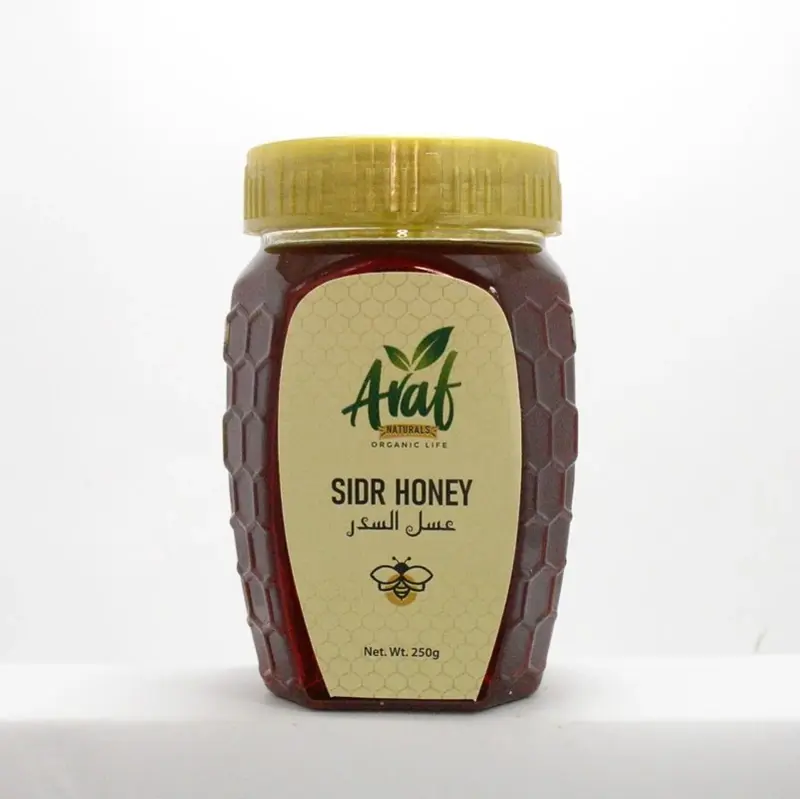
Sidr is usually dark amber, thick and rich. The flavour is malty and almost caramel-like, with hints of butterscotch or dried fruit and a long finish. Because it really tastes of something, it's lovely on its own — a spoon straight from the jar, over thick yoghurt, or stirred into warm (not boiling) milk.
How to use it
- On its own: a daily spoonful, or over porridge, yoghurt or labneh where you can taste it.
- In warm drinks: stir into milk or tea once it has cooled a little, so you don't lose the aroma.
- As a finish: a drizzle over pancakes, fruit or a cheese board, rather than as a bulk baking sweetener where its flavour is wasted.
Sidr is a premium honey, so treat it as a finishing touch. For everyday sweetening and baking, a milder, cheaper honey makes more sense.
How to choose a genuine jar
Sidr is often faked or mislabelled, so a few checks help:
- A named, single source — the label should say Sidr, not just “natural honey”.
- Raw or unheated — heat strips out the aromas that make Sidr worth buying.
- A believable price — very cheap “Sidr” is almost always a blend.
- A deep, malty taste — a flat, purely sugary sweetness is a red flag.
For more on honey labels, see what “raw” honey really means. And once your jar is open, store it well so it keeps its flavour.
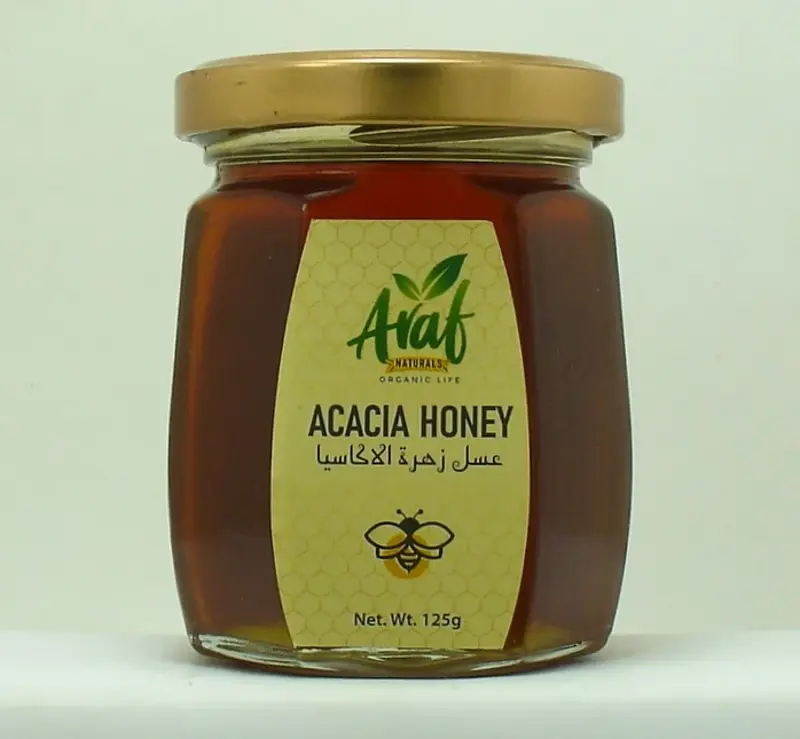
If you'd like to try it, our Sidr honey is raw and single-source. The lighter, floral Acacia honey makes a nice side-by-side comparison.
Frequently asked questions
What does Sidr honey taste like?
Sidr honey is usually dark amber, with a rich, malty, almost caramel or butterscotch depth and a long finish. It's far less one-note than a light supermarket honey, which is why many people enjoy it on its own rather than just as a sweetener.
Why is Sidr honey more expensive than ordinary honey?
Sidr comes from the blossom of the Sidr (jujube) tree, which flowers for only a short time, so genuine single-source Sidr honey is limited and slow to collect. Scarcity, not marketing alone, is the main reason for the price.
Does real Sidr honey crystallise?
Sidr is naturally slow to crystallise because of its sugar balance, so it can stay liquid longer than many honeys. If it does set, that's still normal — warm the jar gently in warm water to loosen it.
How can I tell genuine Sidr honey from a blend?
Look for a named single flower source and a raw or unheated label, expect a deep malty flavour rather than a flat sweetness, and be wary of a price that looks too low for real Sidr. A traceable source is the strongest sign.